
Free things to do exist in every city you will ever land in, and the dependable ones fall into six groups: viewpoints, museums with free or pay-what-you-wish hours, parks and waterfronts, public markets, free live music, and self-guided walks. Learn the six and you can fill most of a day almost anywhere without paying for it.
What takes practice is telling the good free thing from the one that eats three hours and gives you a photograph. This guide is the sorting method: how to find each group in the city you are actually in, what free quietly costs you in time and transit, and the few moments when a paid version earns its price.
How to choose what's worth your time
Start with what you want from the day rather than with a list. A view, a story, something to eat, somewhere to sit outside and watch a city work: each of those points at a different group, and picking one first stops you crossing town twice.
Then apply four filters.
- Go to the source. Opening hours, free days and ticket rules change. The museum's or the park's own page is right; a roundup written two years ago is not.
- Count the travel. A free thing 50 minutes away is not free. It costs a round trip and most of an afternoon, so rank by what is walkable from where you already are.
- Prefer the weekly over the one-off. Standing free hours, a regular market day, a park that is always open: these survive a change of plan. A single dated event does not.
- Check what it costs to be there. Free admission with a paid locker, a ferry fare, or a reservation released days ahead is still a cost. Read the practical details before you commit the morning.
A plan that survives rain beats a perfect one. Pick two free things you can reach on foot, and keep one indoor option in reserve.
Free things to do, grouped by what you want from the day
If you want a view
Look for public high ground before you look at paid observation decks: a park with an overlook, a bridge with a walkway, a public terrace on a civic building, a campus on a slope, a cemetery on a ridge. Search the city parks department's pages for "overlook" or "scenic", and check whether the central library or city hall has a floor the public can use.
The cost here is timing, not money. Viewpoints are busiest in the hour before sunset. Go two hours earlier and you get the same skyline with somewhere to stand.
If you want art, history, or a building worth staring at
Plenty of museums publish free hours, a free day, or a pay-what-you-wish policy, and smaller institutions are often free all the time: university galleries, historical societies, artist-run spaces, public library exhibition rooms, botanical conservatories. The way to find them is to open the admissions page of every museum on your shortlist and read the fine print, rather than trusting a list someone else wrote.
Two things to watch for. The free window is usually narrow and busy, and some free admissions still need a timed reservation released days in advance. Book the slot the moment you find it.
Architecture is the other free gallery. An older downtown core rewards 40 minutes on foot, and so do train stations, market halls and civic lobbies that stay open through the working day.
If you want to be outside
Parks, waterfronts, beaches, trail networks, free-entry gardens, plazas with summer programming. This is the easiest group to find and the easiest to get wrong: look for what the city actually runs there, not for the green shape on the map. A swimming beach with changing rooms, a loop trail with a map board, a park with public courts or a free pool is a day. A lawn is twenty minutes.
City and county parks departments publish facilities, hours and seasonal closures, and that page will serve you better than any guide, this one included.
If you want to eat well for very little
Public markets are the most dependable free thing in travel. Walking one costs nothing, it shows you what people here actually eat, and you can leave having spent very little. Go in the morning while it is working rather than at lunch while it is performing.
If the eating is the part of the day you care about most, this is also where a guided version earns its price: a food walk compresses several neighborhoods of tasting into about two hours and explains what is in front of you. The cards below show what that looks like in a few cities.
Market and street-food walks

$95.00
San Francisco, California
San Francisco Food Tour: Ferry Building and Ferry Plaza Farmers Market
4.7
(92)

$60.00
New York City, New York
New York City Food Cart Walking Tour
4.9
(69)

$79.99
Chicago, Illinois
Chicago's Chinatown Food and Walking Tour
4.9
(691)

$86.99
Nashville, Tennessee
Nashville: Authentic Food Tour with 5 Tastings of Local Dishes
4.9
(2926)
If you want live music or a crowd
Free live music is more common than it looks: lunchtime concerts in churches and civic halls, summer series in parks and plazas, stages at neighborhood festivals, record-shop and taproom sets in the evening, and buskers in the pitches cities license for them. Three places to look: the venue's own calendar, the parks department's events page, and the free local weekly.
If a city's music is the reason you came, pair the free sets with one ticketed night. Things to do in Nashville is what that looks like in a city built on it.
If you want the story behind the street
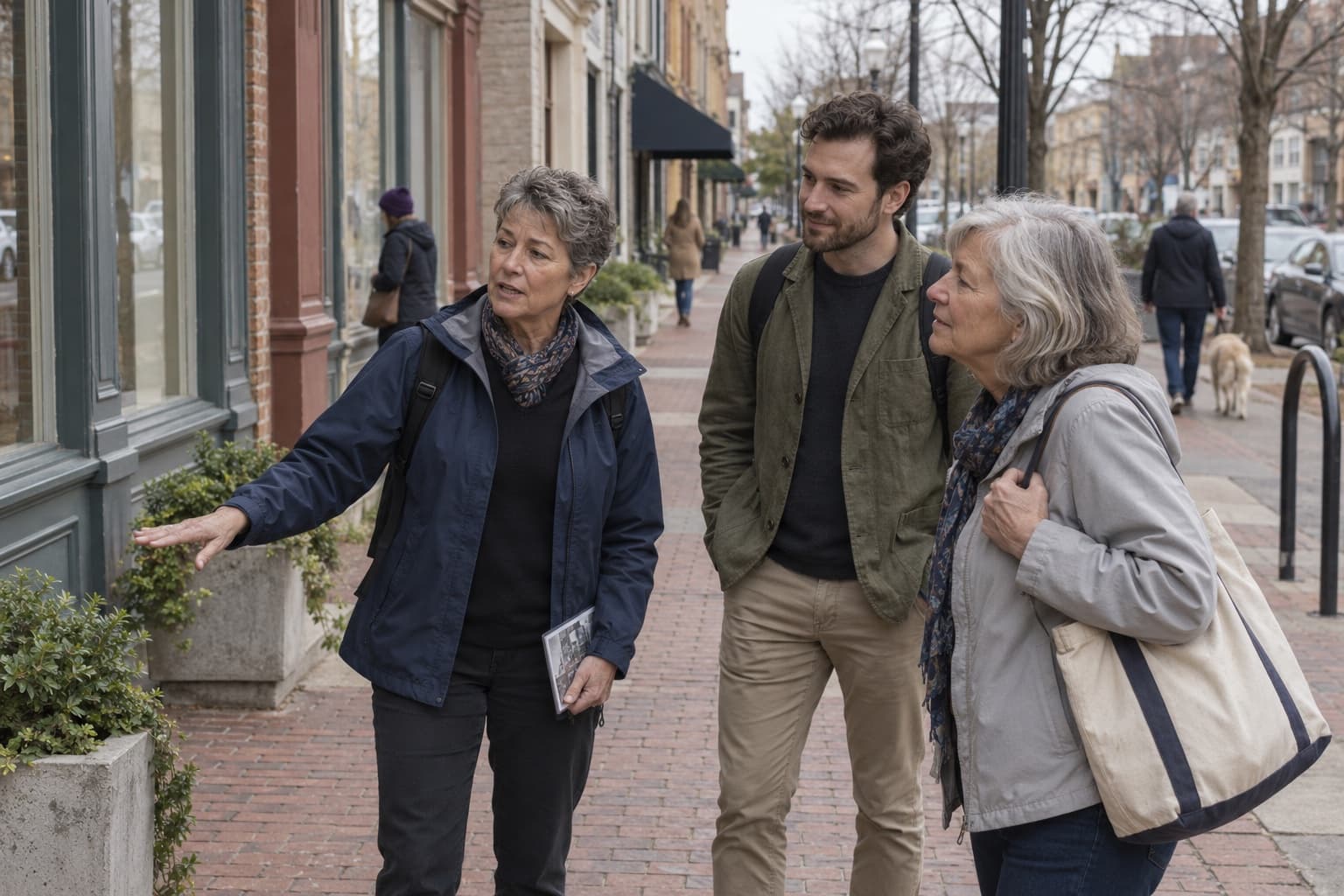
Self-guided walks cost nothing. Tourism offices, historical societies and neighborhood associations publish routes and maps, and a saved route with a long lunch in the middle is a genuinely good afternoon. Tours advertised as free are not always free: some are tip-based, so read the listing or the operator's page and know what is expected before you turn up.
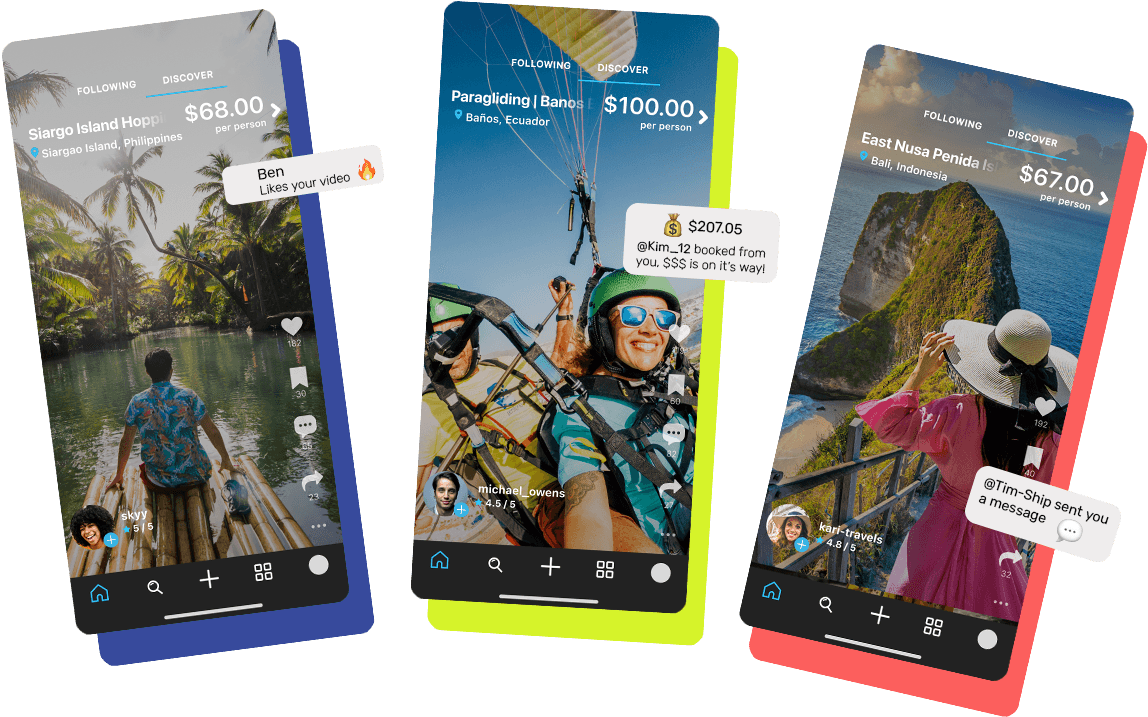
A guided walk is worth paying for when you want the parts you cannot get on your own: access, the right order, and someone who answers the question you did not know to ask. Otsy lists more than 350,000 bookable experiences across 170 countries, so the guided version of a street you already walked for free is usually a search away, in the app or on otsy.com.
Guided city walks

Chicago, Illinois
Walking Tour: Chicago's Loop - Home of the Modern Skyscraper
5.0
(36)

$59.00
New York City, New York
Midtown Manhattan Art and Architecture Walking Tour
5.0
(34)

$59.00
San Francisco, California
San Francisco Chinatown Walking Tour
4.8
(784)

$59.00
Los Angeles, California
Best of Los Angeles Guided City Tour with 4 Stops & free time
4.9
(2113)
When to go, and what free really costs
Free things concentrate in daylight, mid-week and shoulder season. Weekday mornings are when markets work, museums are quiet and free hours are survivable. Weekends are when parks and free festivals are at their best and everything indoors is full.
What free actually costs you:
- Time. Free hours run at the institution's convenience, not yours. Two free hours on a Thursday evening can mean 40 minutes of it in a line.
- Transit. Day passes, ferry fares and the ride home after dark.
- Reservations. Timed free tickets are released on a schedule and, in big cities, are gone the same day.
- The thing you skipped. Three hours on a free attraction you did not care about is the real price of the day.
A rule that works: build the day around free, and pay once, deliberately, for the thing you would regret missing.
Getting around without spending much
Walking is the plan and everything else is the fallback. Most downtown cores are 30 to 40 minutes end to end on foot, which is usually quicker than decoding an unfamiliar transit system for a single stop.
When you do need to move:
- Look for a day pass or a multi-ride fare. It almost always beats single tickets by the third ride.
- Check whether the city runs a free downtown shuttle, circulator or streetcar. Many do, and they are rarely signposted for visitors.
- Public ferries are often ordinary commuter transit at commuter fares, with the same view the sightseeing boat sells.
- Bike share is cheap for one-way hops, but read the per-minute terms before the first unlock.
Then take one neighborhood a day. Two free things within walking distance of each other beat four spread across a map.
FAQ
What are the best free things to do in a city I don't know?
Start with the three that exist almost everywhere: a public market in the morning, a park or waterfront in the afternoon, and a viewpoint before sunset. Add a museum's free hours if they fall on a day you are there.
How do I find free museum days?
Open each museum's own admissions page and look for "free", "community day" or "pay what you wish". Check whether the free entry needs a timed reservation, and book it as soon as you find it; the popular ones go the day they are released.
Are free walking tours really free?
Not always. Some are, and others are tip-based, which means you decide the price at the end. The listing or the operator's page says which, so read it before you join.
What can we do for free with kids?
Playgrounds and public pools, library story hours, free-entry conservatories and zoos where the city has them, and markets, which most children prefer to museums. The parks department's events page is the place to check for the week you are there.
Is it ever worth paying when there is a free version?
Yes, in two cases: when access is the point, meaning inside a building, out on the water or behind a door you cannot open yourself, and when a guide turns an hour of looking into an hour of understanding. Pay once for that and keep the rest of the day free.
Plan the day
Pick the city, work out which of the six groups it does well, and keep the free things as the backbone. Then see what is on and book the one thing you would regret missing: find things to do in Chicago, Nashville or Denver on Otsy.