

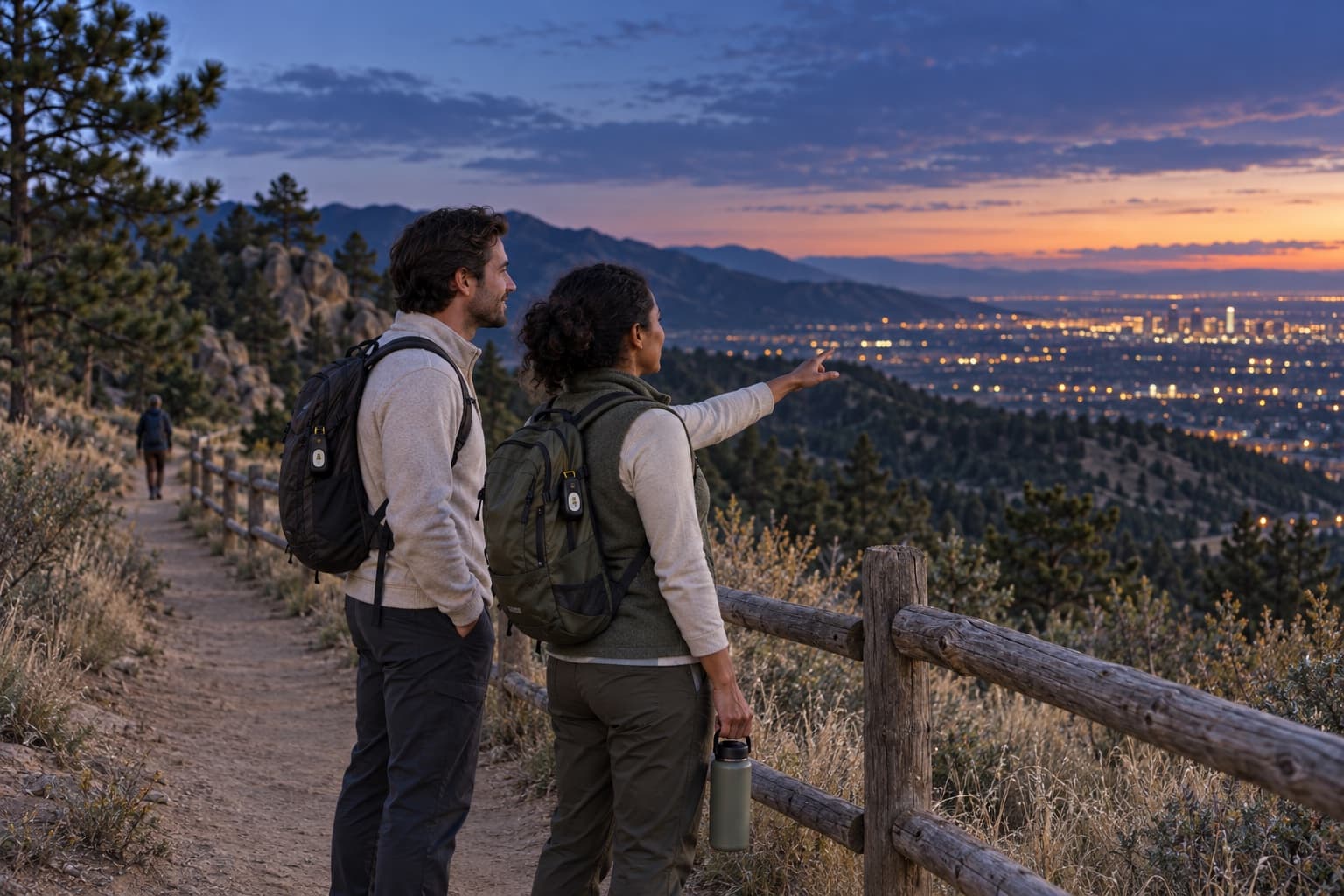
Who this guide is for
This guide is for anyone landing in Denver for the first time and wondering how to split a few days between the city and the mountains. It suits couples, friends and families who want a mix of walkable neighborhoods, good food and a proper look at the Rockies without planning every hour. If you have already been, or you only want free options, the guide to free things to do is a better starting point.
The short version: Denver works best when you treat it as two trips in one. Spend part of your time in the city, where the historic core and the arts districts are easy to explore on foot, and part of it in the foothills and beyond, where the scenery is the reason most people come.
What to expect
Denver sits about a mile above sea level, and that single fact shapes a first visit more than anything else. The air is dry, the sun is strong even on cool days, and the first day or two can leave you more tired and thirsty than you expected. Plan something gentle for your arrival day and save the big hikes for later.
The city itself is relaxed and spread out. Downtown, Lower Downtown (LoDo) and the River North Art District (RiNo) cluster close together and reward slow walking, while the mountains sit to the west, close enough that you can see them from many streets. Weather moves quickly. A sunny morning can turn into a summer afternoon thunderstorm, and a spring day can bring snow, so a light layer and a rain shell are worth carrying whatever the forecast says.
You will not need a car for the city core, but you will for most of the mountains unless you book a guided trip that includes transport. Many first-timers find a small-group tour the easiest way to see the Rockies, because someone else handles the driving, the parking and the timing.
The first things to do in Denver
Start with a half day in the city, then head for the mountains once you have adjusted to the altitude.
- Walk LoDo and the historic center. This is the oldest part of the city, with brick warehouses, Union Station and Larimer Square close together. A guided walk adds context you would miss on your own, and it is a gentle way to spend your first afternoon.
- Eat your way through a neighborhood. Denver's food scene is easiest to understand a few bites at a time, so a food tour in LoDo or RiNo doubles as an orientation.
- Try the craft beer scene. The city has a long brewing tradition, and the beer-focused tours in Lower Downtown make it easy to sample several places without choosing blindly.
- See Red Rocks. The famous open-air amphitheater sits in the foothills west of the city and is worth a visit even without a concert. Go in the morning, when it is cooler and quieter, and let the setting do the work.
- Take a day in the mountains. Rocky Mountain National Park and the Pikes Peak and Garden of the Gods area are both day trips from Denver. They are long days, so a small-group tour with transport is a practical choice.
Mountains and foothills
If the Rockies are your priority, these are the trips that first-timers most often start with. They range from a morning hike near the city to a full day in a national park.
Red Rocks, Rocky Mountain National Park and Pikes Peak


In the city
For your city days, a walking or tasting tour gives you a guide who knows the neighborhoods and a route that is already worked out.
LoDo, food and craft beer tours in Denver


You can book every experience in this guide on Otsy, in the app or on otsy.com. If you want to look beyond these picks, search things to do in Denver to compare what else is available for your dates.
Mistakes to avoid on a first trip
- Doing too much on day one. The altitude catches many visitors out. Drink more water than usual, go easy on alcohol until you have adjusted, and keep your first day light.
- Skipping sun protection. The sun is intense at this height, and it burns skin faster than you expect, including on cloudy or cool days. Carry sunscreen and a hat.
- Treating the mountains as a short detour. Rocky Mountain National Park and Pikes Peak are not quick stops. If you try to squeeze one in alongside a full city day, you will rush both. Give each its own day, or book a guided trip so the schedule is handled for you.
- Ignoring the weather window. Mountain weather changes fast. Start hikes early, check conditions before you leave and carry layers, because the temperature can drop sharply once you gain elevation.
- Booking only the famous spots. Red Rocks and the big mountain trips are popular for good reason, but a food walk or a historic tour in the city fills the gaps between them and often feels more personal.
- Relying on a car for everything. Parking downtown and at popular trailheads can be a hassle. For the city core, walk. For the mountains, consider a tour that includes transport.
If you are comparing Denver with other cities for a first trip, the Nashville guide is a useful contrast: a different pace, a different scene and a good example of how to build a city itinerary around one strong theme.
Practical details
When to go. Denver is a year-round destination. Summer is the busiest time for the mountains and for evenings outdoors, autumn brings cooler days that suit hiking, and winter is a good time for city visits with a clear-sky day trip. Spring is the least predictable, so pack for changing weather.
How many days. Three days is a comfortable first visit: one for the city and the altitude, one for the foothills and Red Rocks, and one for a full mountain day trip. With only two days, pick the city and one mountain experience rather than trying to cover everything.
Where to stay. Staying in or near LoDo or downtown puts you within walking distance of the tours and restaurants in this guide, and it makes pickups for small-group trips simpler.
What to bring. A refillable water bottle, sunscreen, sunglasses, a hat, a light jacket and comfortable walking shoes cover most of what you need. For mountain days add a rain shell and sturdier footwear.
How to book. Reserve the mountain trips first, because they are the ones with the tightest schedules, then fit city tours around them. Check the meeting point and what is included before you confirm, especially for transport and meals.
Frequently asked questions
How many days do you need in Denver?
Three days is enough for a first visit: one for the city, one for Red Rocks and the foothills and one for a mountain day trip. Two days works if you keep the plan simple.
Do you need a car in Denver?
Not for the city center, where LoDo, downtown and RiNo are walkable. For Rocky Mountain National Park, Pikes Peak or Red Rocks, you either need a car or a guided trip that includes transport.
Will the altitude affect me?
It can. Denver is about a mile above sea level, and many visitors feel tired or thirsty at first. Drink plenty of water, take it easy on arrival and save strenuous hikes for later in your stay.
What is the best time of year to visit Denver?
There is no wrong season, but each suits something different. Summer and early autumn are best for the mountains, and winter works well for city visits. Spring weather changes quickly, so pack layers.
Is Red Rocks worth visiting without a concert?
Yes. The setting is the draw, and a morning visit or hike lets you see it without the crowds that come for events.
Can you do Rocky Mountain National Park as a day trip from Denver?
Yes, and a small-group tour from Denver is a straightforward way to do it. It is a full day, so plan your other days around it.