
Affiliate marketing for travel bloggers means linking to a tour, a stay, a flight or a product, and earning a commission when a reader buys through your link. The partner takes the booking and the payment, and the program credits you for the referral. What counts as your referral varies by program, so the terms matter as much as the link.
How affiliate marketing for travel bloggers works
Most programs follow the same sequence:
- You join a program and receive a link that carries your personal ID.
- You place the link in a post, a video description or a newsletter.
- A reader clicks. The program records the click, often by storing a cookie, which is a small piece of data, in the reader's browser.
- The reader books or buys on the partner's site.
- If the purchase qualifies under the program's rules, you are credited a commission.
Step 3 is where programs differ most. Before you join, look in the terms for how long after a click a purchase still counts for you, who gets the credit if the reader clicks another site's link afterward, and which purchases are excluded, including what happens to a booking that is cancelled.
Credit rests on that stored record. A reader who researches on a phone and books later on a laptop may not be traced back to you, so some of the bookings you influence may never appear in your reports.
The main types of travel programs
Tours and activities programs let you link to a specific experience such as a food tour, a boat trip or a museum ticket. The readers are already planning, so these fit itineraries and destination guides. Accommodation programs cover hotels, rentals and booking sites, and suit posts about where to stay in an area.
Flight and transport programs cover flight search, rail passes, car rental and airport transfers. Fares and availability change quickly, so link to a search and leave the price out of your copy.
Gear and products such as luggage, cameras and guidebooks belong in packing lists and reviews, and they only work when you have used what you recommend. Travel insurance needs more care: check what the program lets you say about coverage, and send readers to the provider for the policy details instead of summarizing the cover yourself.
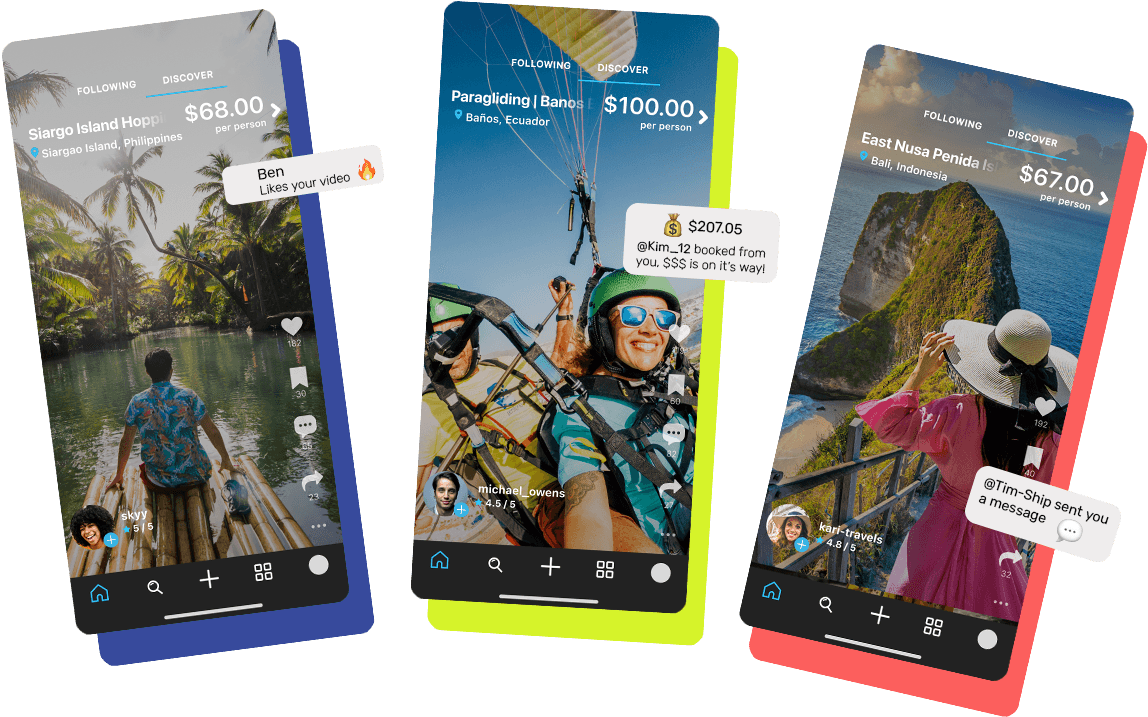
Creator programs pay people who post travel content. One example is the Otsy Creator Fund: creators repost travel content, each post links to a bookable experience such as a tour or activity in Lisbon, and the creator earns a commission when a traveler books from the post. Creators apply in the app, and the Otsy team reviews each application.
How to choose programs
Start with your readers. A backpacking audience and a honeymoon audience plan different trips and need different partners. Travel companies usually list their programs on their own sites, often under a link such as "affiliates" or "partners", and some run through affiliate networks that gather many merchants in one place.
Recommend only what you would use. For products, the FTC says you can't talk about your experience with one you haven't tried. The same caution makes sense for tours and stays: if one looks attractive only because it pays well, leave it out.
Read the terms in full, including the attribution rules above, where you may promote, and what the program forbids. Then check the payout rules: the minimum balance, how often payments go out, and which payment methods the program supports.
Start with two or three programs.
Where to place links so they help readers
Put the link in the sentence where you recommend the thing, next to the details a reader needs to decide: how long it takes, what it includes, who it suits and who should skip it.
- One link per recommendation is enough. A paragraph with six links to the same kind of thing reads like a stack of ads.
- Itineraries, where-to-stay guides, things-to-do lists and packing lists are where readers decide, so that is where links belong.
- Tours close and pages move, and a dead link earns nothing, so check your links on a schedule you can keep.
- If your affiliate links are paid links, Google's guidance is to mark them with rel="sponsored", and it says nofollow is still acceptable.
Tell readers when a link pays you
In the US, the FTC's Endorsement Guides FAQ answers the affiliate case directly. It says to disclose your relationship to the retailer clearly and conspicuously, and suggests plain wording such as "I get commissions for purchases made through links in this post." The Disclosures 101 guide for influencers covers the general rules, starting with disclosing any financial relationship with a brand.
- The closer the disclosure is to your recommendation, the better, according to the FAQ. Disclosures 101 warns that a notice only on a profile page, at the end of a post, or behind a "more" click is likely to be missed.
- Readers may not understand "affiliate link" on its own, but "paid link" right next to an affiliate link should be adequate. Disclosures 101 warns against vague terms like "sp" and "collab".
- For a video with affiliate links, disclose in the video and in the description near the links.
- A link offered as a convenience, with no payment behind it, involves no connection to disclose.
If you post from abroad, Disclosures 101 says US law applies when it is reasonably foreseeable that a post will affect US consumers, and that foreign laws might also apply. Check the rules where you live as well.
FAQ
How do travel bloggers make money with affiliate links?
A reader clicks a link that carries your ID, books or buys on the partner's site, and the program credits you a commission if the purchase meets its rules. What counts, and when you are paid, depends on the program's terms.
Do I need a big audience to join a travel affiliate program?
Requirements are listed in a program's application terms. They can cover the topics you write about, where and how you plan to promote, and sometimes your traffic. A small blog with a clear topic and honest recommendations can still apply, but acceptance is up to the program, and a program can remove you later if your content breaks its rules.
How long does an affiliate cookie last?
It varies by program, and the terms state it. Look up the window before you promote, because it decides whether a reader who books a few days after clicking is credited to you. Check whether a later click on another site's link replaces yours, since programs handle that differently. A short window matters most for trips people plan weeks ahead, because a reader may click early and book much later.
Do I have to disclose affiliate links?
In the US, yes. The FTC's Endorsement Guides FAQ says to disclose your relationship to the retailer clearly and conspicuously, and a commission is that relationship. Place the disclosure close to the link, in plain words.
Start with links you would stand behind
Choose programs that match what your readers plan, read the terms, and add links where readers already decide. To compare affiliate income with other ways of earning from travel, read our overview of how to get paid to travel.