
A travel UGC creator makes short videos, photo sets or reviews of trips and experiences for a brand to use on its own channels, and gets paid for the content itself. UGC stands for user-generated content. The brand is the buyer, so your own audience often matters less than it does for an influencer, and you can start with a phone and experiences you have already had.
What UGC means in travel
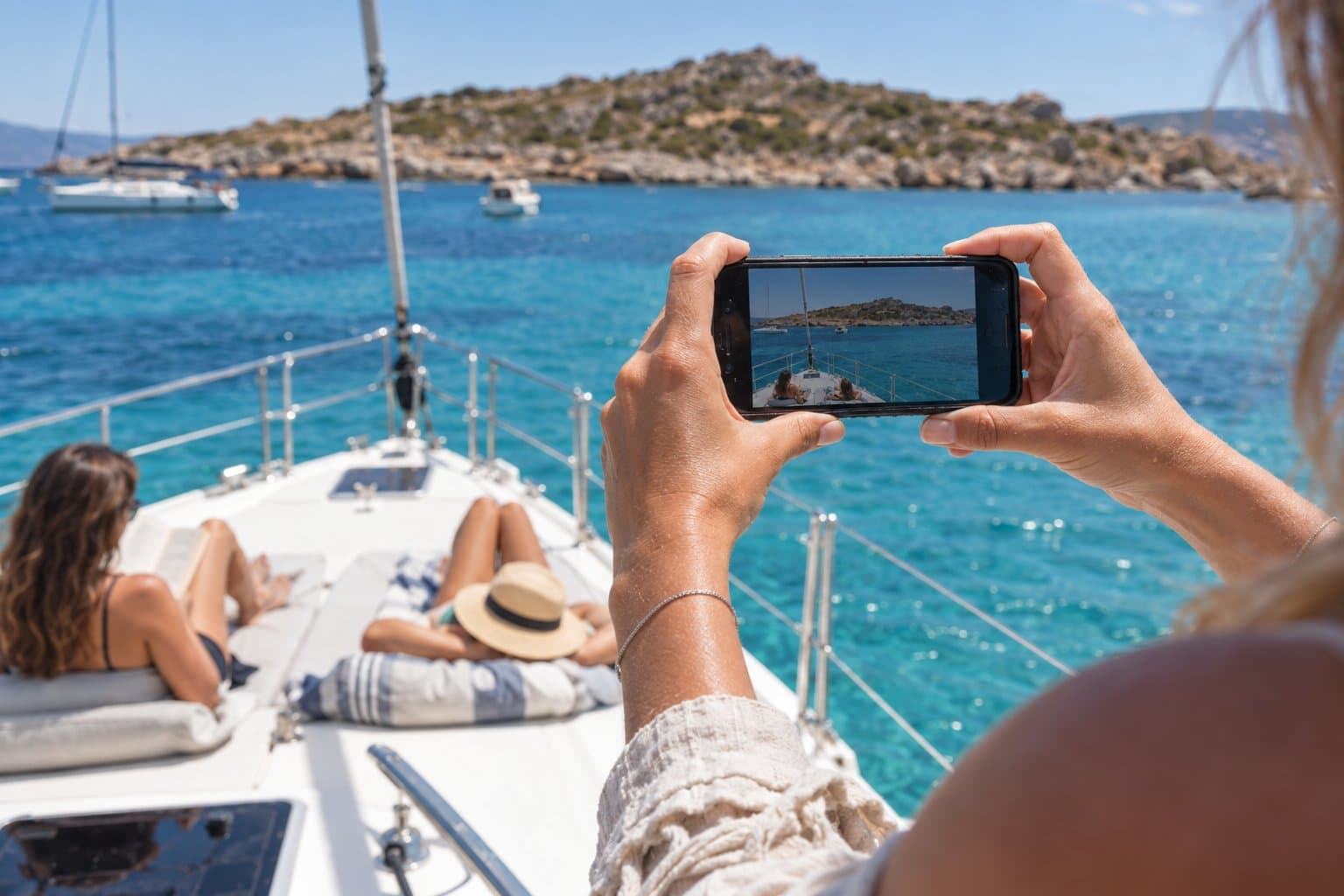
UGC is material made by people instead of a brand's marketing team: a phone clip of a boat ride, photos of a hotel room, a written review of a walking tour. Brands like it because it looks like something a real traveler would post.
A travel UGC creator does this as a service: a tour operator, hotel or travel app briefs you, you film or photograph the experience, and the brand uses the result on its website, social accounts or ads.
How a travel UGC creator differs from an influencer
- Where the content goes. UGC goes to the brand, which posts it from its own account or runs it as an ad. Sometimes the creator is not named.
- What the brand is paying for. The footage itself, so the quality of your clips and how closely you followed the brief decide whether you get the next job.
- What you need to start. A phone and some experiences to film; the brand judges you on what you deliver.
If you are still deciding which route suits you, our guide to getting paid to travel lays out the main ways to earn from travel.
What travel UGC deliverables look like
A brief usually names the experience, the points to show, the format, the deadline and where the brand plans to use the result. Common formats:
- Short vertical videos. One experience, a clear opening shot, natural sound or a simple voiceover.
- Photo sets. A handful of images of the same place or activity, in portrait and landscape.
- Reviews. Written or spoken, with what a trip planner wants to know: how long it took, what the group was like, who it suits and who should skip it.
Build a travel UGC portfolio
You can make samples before you have a client.
- Pick experiences you have done. A food tour, a day trip, a cooking class, a night in a small hotel. Film what you actually did so the review sounds like you were there.
- Make one sample per format. A short video, a photo set and a written review show your range, and you can add more as you go.
- Answer a brief. Write yourself a one-paragraph brief, then make the piece to it. That shows a brand you can follow instructions.
- Put everything in one place. A simple page or shared folder, with a note on each piece.
- Label self-made work as self-made. Do not present a sample as a paid campaign, and keep other companies' logos out of the frame.
How to price and license travel UGC
Prices vary between creators and brands, so there is no standard rate to quote here. A quote usually reflects four things:
- Scope of work. How many videos or photos the brand wants, how much editing each needs, how many rounds of changes you allow, and whether you hand over raw files.
- Usage. Where the brand will use the content, on which platforms and for how long. Running it as an ad is a different use from posting it on the brand's feed and is often priced differently.
- Exclusivity. A brand may ask you not to make similar content for a competitor for a set time. That limit on your other work belongs in the price.
- Travel costs. If the brand pays for the trip, the ticket or the room, agree up front whether that counts as part of your payment.
Licensing is the permission you give the brand to use what you made. Ownership depends on the contract, so read that part first. Get the usage terms in writing before you film, and have a lawyer review any contract you do not fully understand.
When you have to disclose paid UGC
In the US, the Federal Trade Commission's Disclosures 101 guide for social media influencers asks creators to disclose any financial, employment, personal or family relationship with a brand. Money is not the only thing that counts: free or discounted products and other perks fall under the same guidance, even if the brand never asked you to mention them.
The FTC also says the disclosure should be placed with the endorsement itself, so it is "hard to miss", and written in simple language. It suggests plain words such as "ad" or "sponsored" and warns against vague terms like "sp" or "collab".
A paid brief is a financial relationship with a brand, so if you post the piece on your own account, put the disclosure in the post. The FTC's Endorsement Guides FAQ adds that if a company gave you a free or discounted product to review, your connection should be disclosed everywhere you endorse the product. If the brand publishes the content on its own channels, check your contract to see who handles the disclosure. Other countries have their own rules, so check the ones where you and your audience live.
Where the Otsy Creator Fund fits
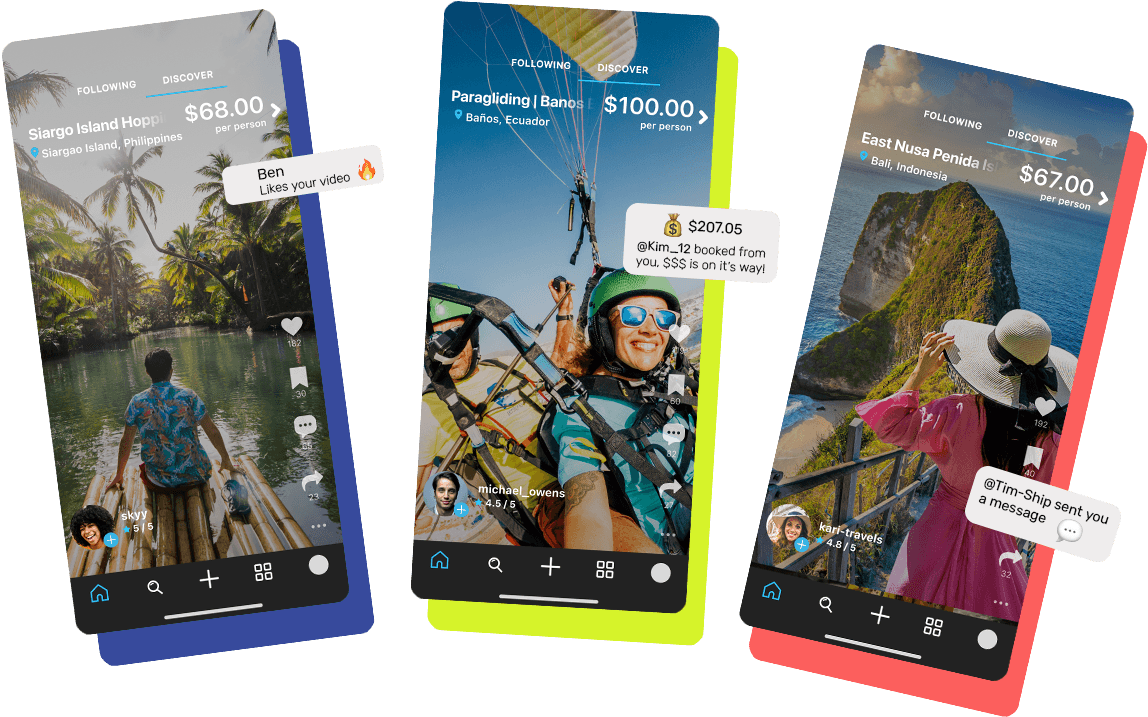
UGC pays a fee for content a brand uses. The Otsy Creator Fund is a separate way to earn from travel content: creators repost travel content, for example from Instagram or TikTok, and each post links to a bookable experience. When a traveler books from the post, the creator earns a commission.
If you want a class or tour to film for your samples, Otsy lists bookable ones in cities such as Lisbon.
FAQ
Do I need followers to be a travel UGC creator?
Brands judge UGC mostly on the content you deliver, so audience size usually matters less than the quality of your clips and how well they match the brief.
What is the difference between UGC and influencer marketing?
In influencer marketing, a brand pays for access to the creator's audience and the content runs on the creator's account. In UGC, the brand pays for the content and uses it on its own channels or in its ads.
Do I have to disclose paid UGC?
In the US, if you post it on your own account, yes. The FTC's Endorsement Guides FAQ says a disclosure has to be clear and conspicuous, so put it in the post in plain words. If the brand publishes the content on its own channels, check your contract to see who handles the disclosure.
Who owns the content I make for a brand?
It depends on the contract. A contract can license the brand to use your work on set platforms for a set time, or it can transfer ownership outright. Check which one you are signing, and get the usage terms in writing before you film.
Start with one experience
Pick an experience you have done and make a short video, a photo set and a review of it. Put the three in one place and send that page with your first pitch. Tour operators, hotels and travel apps are the kinds of businesses that may need this content, so start there.